Source individual lash clusters for salon, festival, and daily use
Explore 30 listings for individual lash clusters available from manufacturers in Guangdong. Buyers can compare specifications like thickness, length, and material to find suitable options for salon, festival, and daily applications.
Key considerations
Products List
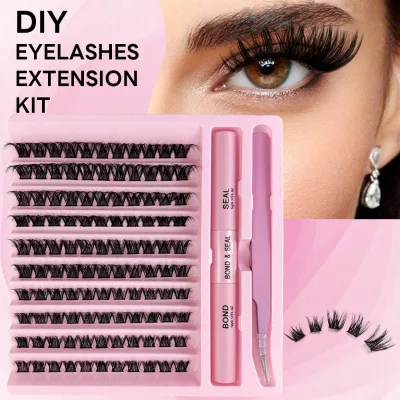

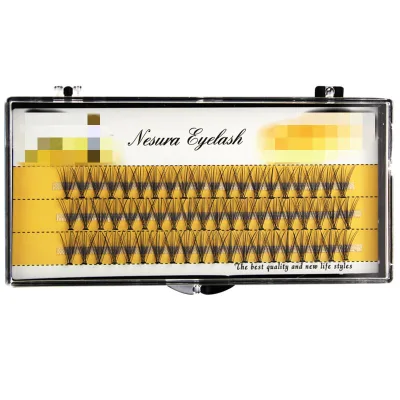


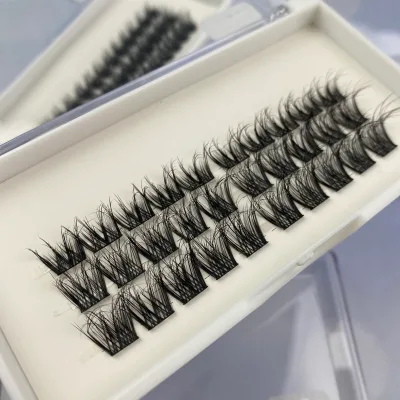
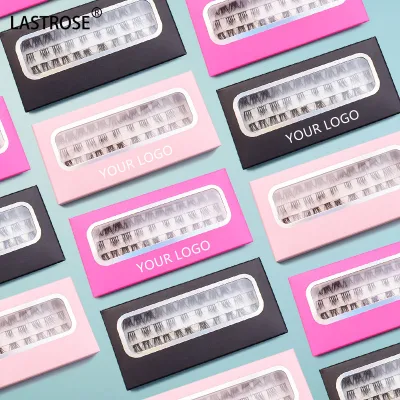
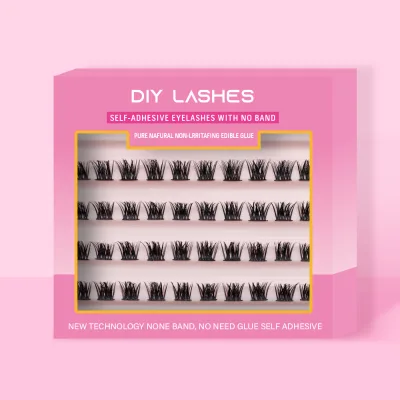


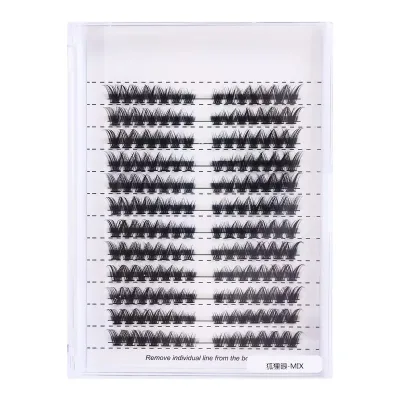
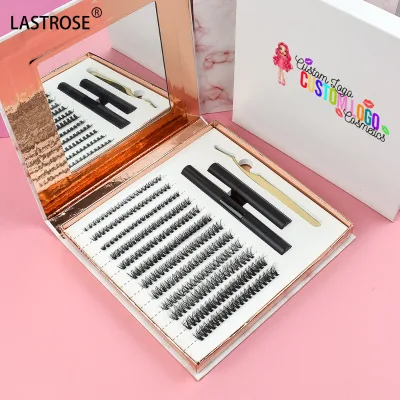
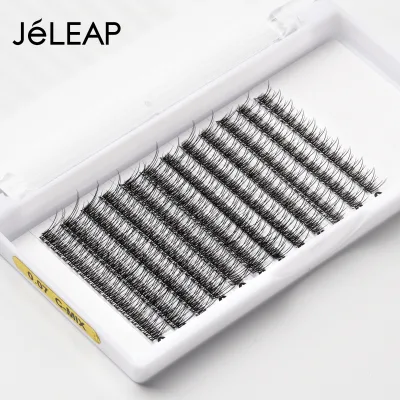
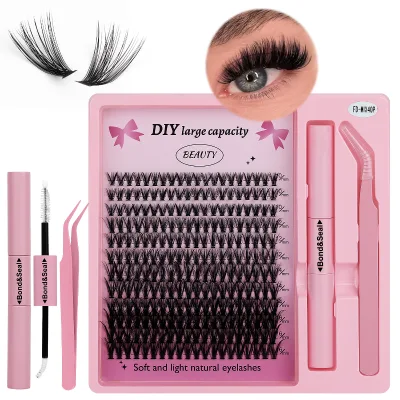
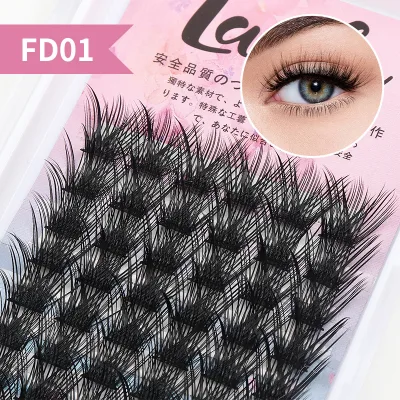
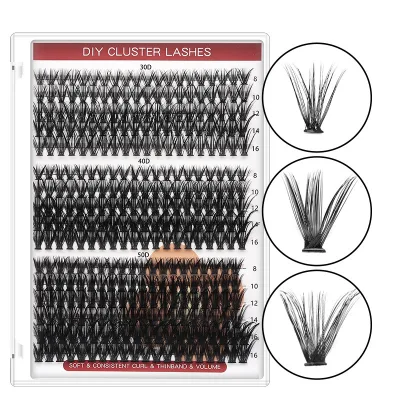
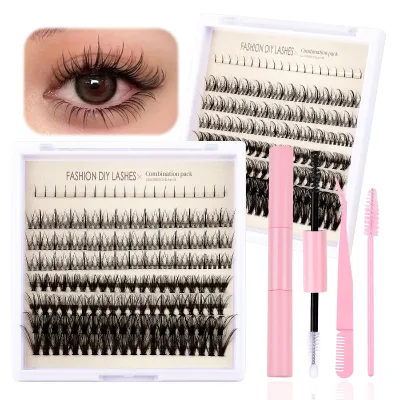
Comprehensive Sourcing Guide
Strategic Sourcing Guide for Individual Lash Clusters
Navigating the global market for individual lash clusters requires a disciplined approach to distinguishing between machine-made efficiency and handcrafted precision. The core keyword "individual lash clusters" encompasses a diverse range of products, from dense volume sets to natural 10D styles. Buyers must understand that product attributes observed in listings are often specific to a single SKU rather than universal standards for the entire category. This guide provides a framework for evaluating suppliers, verifying technical specifications, and managing procurement risks without relying on unverified claims.
Technical Specifications and Material Composition
The foundation of a successful procurement strategy lies in understanding the granular technical specifications of the product. The market offers a wide spectrum of materials, with synthetic hair and mix fiber being the most prevalent options observed in current listings. Buyers should not assume that all individual lash clusters are made from the same material; some listings specify "Synthetic Hair" while others indicate a "mix fiber" composition. The distinction is critical for end-user comfort and retention.
Curl and thickness are equally vital parameters. The observed market data indicates a prevalence of "C" curl types, though "According to The Styles" is also a common specification. Thickness varies significantly, with specific listings noting ranges from 0.07mm to 0.25mm. These measurements directly impact the final aesthetic, ranging from natural thickness to full volume effects. When sourcing, buyers must verify the exact thickness and curl type for each order, as these attributes are not standardized across all suppliers.
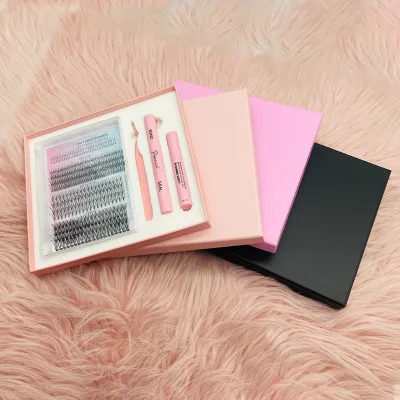
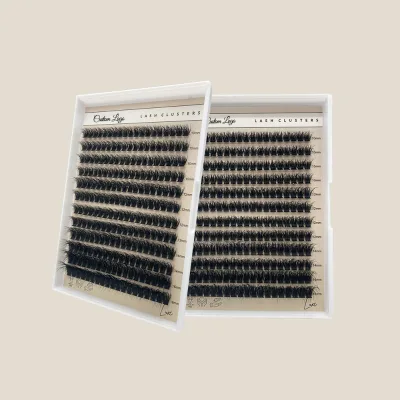
Length is another variable that requires precise definition. Specifications in the current market range from 8mm to 30mm, with specific models offering lengths such as 10mm, 12mm, 14mm, and up to 16mm. Some suppliers offer a "Natural Thickness" standard, while others provide custom specifications. The packaging of these clusters also varies; some are presented in a "plastic" tray, while others utilize a "paper box" or "PVC BOX." The band material is another technical detail to scrutinize, with options including "Plastic Black Band" or cotton-based options.
Manufacturing Techniques and Production Capabilities
The method of production is a primary differentiator in the individual lash cluster market. Listings reveal a split between "MACHINE MADE" and "Hand Made" or "Semi-Hand Made" techniques. Machine-made lashes, such as those described in the "PDJN-02" model, often offer consistency and lower unit costs, making them suitable for high-volume, budget-conscious segments. Conversely, hand-made or semi-hand-made options, like those found in the "G800serise" or "DH23" models, typically command a premium due to the labor-intensive nature of their creation.
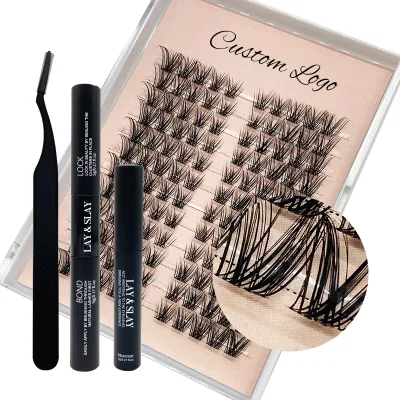
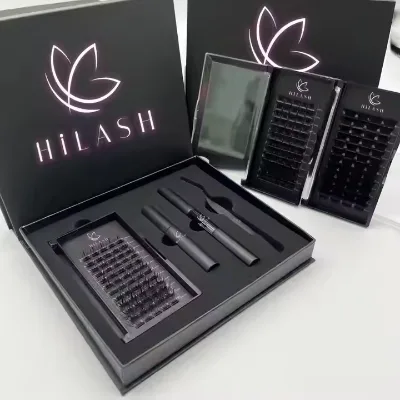
The "10D Individual eyelash" specification highlights a specific density technique where ten lashes are bundled together. This is distinct from full strip lashes or other cluster types. Buyers must confirm whether the supplier can consistently execute the desired technique. The "OEM ODM PRIVATE LABEL" service availability indicates that many manufacturers are equipped to customize the production process, including the ability to print logos on the packaging. This flexibility is essential for brands looking to establish a unique market identity.
Compliance, Certification, and Safety Verification
In the cosmetics and beauty supply sector, compliance is non-negotiable, yet specific certification data is often absent from general product listings. Buyers must treat all certification claims as observations that require independent verification rather than guaranteed facts. The "prod_standard" field in some listings mentions weights like "93g" or length ranges like "15mm to 30mm," but these are product-specific metrics rather than industry-wide safety standards.
When evaluating a supplier, buyers should request documentation regarding the safety of the materials used, particularly for synthetic hair and adhesives. While the provided data mentions "OEM" as a brand name, this refers to the manufacturing arrangement rather than a safety certification. Buyers should verify that the supplier adheres to relevant international safety standards for cosmetic products, such as ISO 22716 for Good Manufacturing Practices (GMP) in cosmetics. Without explicit certification data in the source material, procurement teams must conduct their own due diligence to ensure the products do not contain harmful substances.
Cost Drivers and Pricing Structures
Understanding the cost drivers for individual lash clusters is essential for budgeting and margin analysis. The observed price range in the market spans from $0.56 to $9.99 USD, a wide disparity that reflects differences in material quality, manufacturing technique, and packaging. Factors influencing cost include the complexity of the curl, the density of the cluster (e.g., 10D vs. standard), and the type of packaging used.
Minimum Order Quantity (MOQ) is another significant cost factor. The market data shows an MOQ range from 1 to 100 sets, with specific listings citing "10 sets" as a standard threshold. Lower MOQs allow for smaller initial investments but may result in higher per-unit costs. Conversely, larger orders often secure better pricing but require greater capital commitment. Buyers should also consider the "Single gross weight" of 1.000 kg per package when calculating shipping costs, as this impacts the overall landed cost of the goods.
Supplier Evaluation and Origin Verification
Geographic origin plays a crucial role in supplier evaluation. The majority of the observed products originate from "Guangdong, China," a major hub for beauty manufacturing. However, some listings indicate "Mic" or generic "China" origins, which may suggest different supply chain structures or third-party trading companies. Buyers should verify the actual factory location to ensure transparency and assess the logistical implications of the supply chain.
Supplier evaluation should focus on their customization capabilities. The availability of "Custom Packaging" and the ability to "print your logo on" the box are key indicators of a supplier's flexibility. Additionally, the "Service" attribute listing "OEM ODM PRIVATE LABEL" suggests that the supplier is willing to collaborate on product development. Buyers should assess the supplier's ability to handle the "Model chose" options, where some listings offer a selection of 9 different models. This variety indicates a robust production line capable of meeting diverse market demands.
Quality Control and Inspection Protocols
Implementing a rigorous quality control (QC) protocol is vital for maintaining brand reputation. Given the variation in attributes like "False Eyelashe Type" (ranging from Full Volume to Winged) and "Curl Type," buyers must establish clear acceptance criteria before production begins. Inspections should focus on the uniformity of the lash clusters, the integrity of the band, and the consistency of the curl.
For products specified as "Hand Made" or "Semi-Hand Made," visual inspection is particularly important to ensure that the manual labor has resulted in the desired aesthetic without defects. For "MACHINE MADE" items, the focus should be on the consistency of the bundling and the absence of loose fibers. The "package" attribute, which lists various codes like "S-03" or "HN-03," suggests that packaging standards vary. Buyers should verify that the packaging protects the lashes during transit and maintains the product's integrity upon arrival.
Long-Term Procurement and Market Trends
Long-term procurement strategies for individual lash clusters must account for evolving consumer preferences and market trends. The "Usage" attributes listed, such as "Ragdoll," "Television," "Emulation," "Festival," and "Daily," suggest a broad application range. However, the primary market demand is for daily wear and festival use, where durability and aesthetic appeal are paramount.
Buyers should consider the sustainability of the materials. While "Synthetic Hair" is dominant, the shift towards more eco-friendly options may influence future sourcing decisions. The ability to customize, such as the "Customization: Available" attribute, allows brands to adapt to changing trends quickly. Furthermore, the "prod_model" variations, such as "DH21" and "DH23," indicate that suppliers are continuously updating their product lines. Maintaining a relationship with a flexible supplier who can pivot production to meet new model requirements is essential for long-term success.
Comparative Analysis of Product Attributes
To facilitate decision-making, the following table summarizes key attribute variations observed in the market. This comparison highlights the diversity within the "individual lash clusters" category and underscores the need for precise specification during the sourcing process.
| Attribute Category | Observed Variation 1 | Observed Variation 2 | Observed Variation 3 |
|---|---|---|---|
| Material | Synthetic Hair | Mix Fiber | Cotton Terrier (Band) |
| Manufacturing | Machine Made | Hand Made | Semi-Hand Made |
| Curl Type | C Curl | According to Styles | Winged Style |
| Thickness | 0.07mm - 0.25mm | Natural Thickness | 0.07MM, 0.10mm, etc. |
| Length Range | 8mm - 16mm | 10-25mm | 15mm to 30mm |
| Packaging | PVC BOX | Paper Box | Plastic Tray |
| Origin | Guangdong, China | Mic | China |
| MOQ | 1 Set | 10 Sets | 100 Sets |
This table illustrates that no single product specification applies to the entire category. Buyers must treat each attribute as a variable that requires confirmation for every specific order. The diversity in "prod_model" numbers, such as "645" or "PDJN-02," further emphasizes the need for detailed communication with suppliers to ensure the correct product is sourced.
Conclusion
Sourcing individual lash clusters is a complex process that demands attention to detail and a rigorous verification of all product attributes. The market offers a wide array of options in terms of material, manufacturing technique, and specifications. Buyers must navigate this landscape by verifying technical details, ensuring compliance, and selecting suppliers who offer the necessary flexibility for customization. By adhering to a disciplined approach that relies on observed facts rather than assumptions, procurement teams can build a resilient supply chain that meets the evolving demands of the beauty industry. The key to success lies in the ability to distinguish between the specific attributes of a single product and the broader capabilities of the supplier, ensuring that every order aligns with the brand's quality standards and market expectations.
FAQs
What materials are used for individual lash clusters?
Individual lash clusters are primarily made from synthetic hair or mix fiber. Some listings also specify cotton terrier for the band, while others use a plastic black band. Buyers must verify the exact material composition for each order as it varies by model.
How are these lashes manufactured?
Manufacturing techniques include machine-made, hand-made, and semi-hand-made processes. Machine-made options like the PDJN-02 model offer consistency, while hand-made styles such as the G800 series provide a premium finish. The specific technique depends on the chosen model and supplier capabilities.
Which curl types are available for these clusters?
The most common curl type observed is C curl, though some products offer styles according to the design. Specific listings also mention winged styles. Buyers should confirm the exact curl type required for their specific order since this attribute is not standardized across all suppliers.
Can suppliers provide private label packaging?
Yes, many suppliers offer OEM, ODM, and private label services. They can print your logo on the packaging, which may be a PVC box, paper box, or plastic tray. This customization is available for various models, allowing brands to establish a unique market identity.
What is the typical MOQ for these products?
The minimum order quantity ranges from 1 to 100 sets depending on the supplier. Some specific listings cite 10 sets as a standard threshold. Lower MOQs allow for smaller initial investments, while larger orders may secure better pricing and shipping efficiency.
Where are these products typically manufactured?
The majority of individual lash clusters originate from Guangdong, China. Some listings indicate generic China or Mic origins, which may suggest different supply chain structures. Buyers should verify the actual factory location to ensure transparency and assess logistical implications.
What thickness options are available for the lashes?
Thickness varies significantly, with specific listings noting ranges from 0.07mm to 0.25mm. Some products are described as having natural thickness, while others offer custom specifications. These measurements directly impact the final aesthetic, ranging from natural to full volume effects.